high quality glass bottle manufacturers for packaging needs
The Craft of Glass Packaging: Transforming Your Brand Through Eco-Friendly Glass Bottles
The art of glass packaging offers brands a distinctive pathway to stand out. By embracing sustainable methods, glass bottles not only enhance visual appeal but also align with eco-conscious consumer values. Their inherent qualities, such as recyclability and chemical inertness, demonstrate a steadfast commitment to excellence. As brands navigate this evolving landscape, grasping the diverse advantages and obstacles of glass packaging is critical for sustained growth. What innovative strategies are brands employing to maximize these advantages?
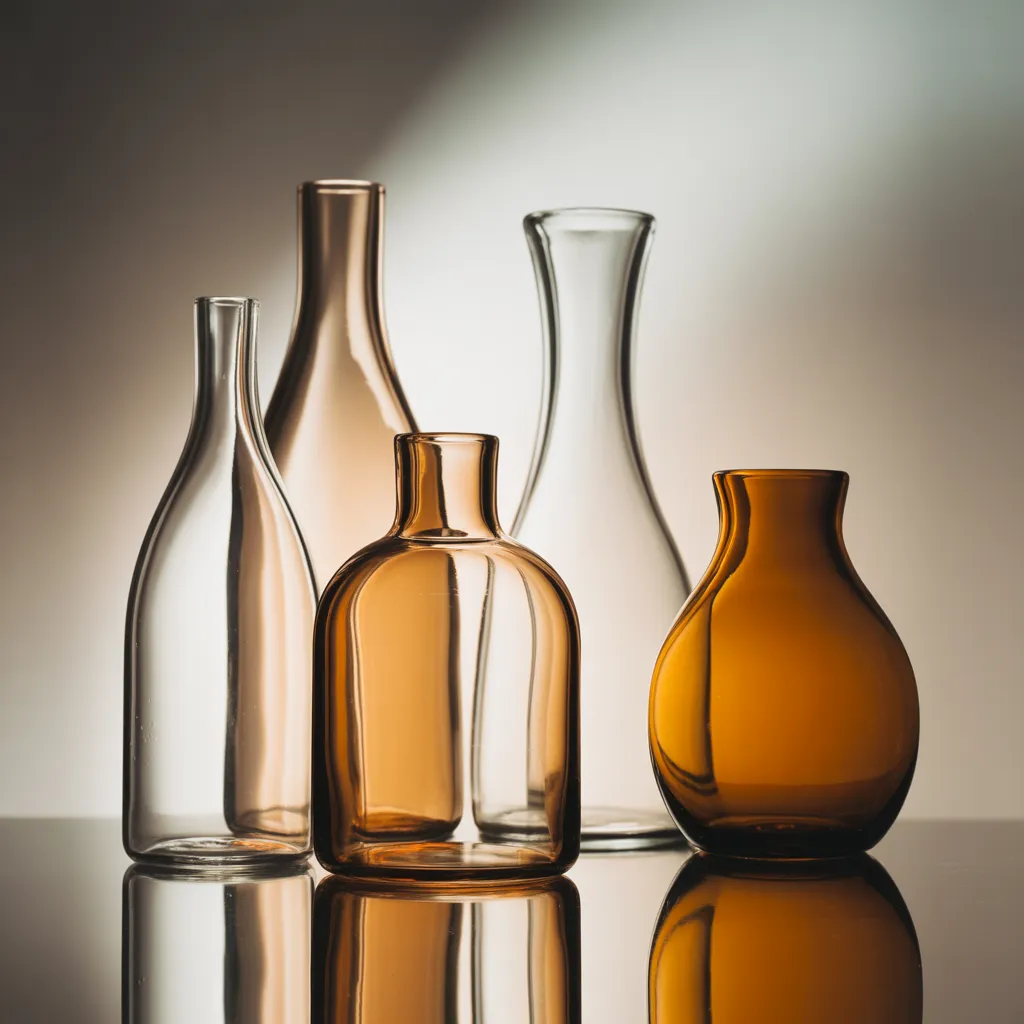
Why Choose Glass Packaging for Your Brand
Selecting glass as a packaging material can significantly improve a brand's reputation and eco-friendly commitments. Companies that choose glass packaging demonstrate a commitment to quality and high-end consumer experiences, appealing to discerning consumers who appreciate aesthetic and functional attributes. Glass delivers a classic and refined aesthetic, enhancing a brand's recognizable image while providing a sensory experience that no alternative material can equal.
Moreover, glass containers project an image of wholesomeness and reliability, as it is devoid of harmful chemicals often found in plastics. This selection can engage green-conscious customers who associate glass with responsible practices. In addition, its long-lasting nature enables multiple uses, thereby strengthening a brand's commitment to eco-friendly practices.
In a market increasingly focused on sustainability, adopting glass packaging can differentiate a brand cultivating consumer loyalty and strengthening brand trust. Ultimately, this strategic choice positions brands as leaders in sustainability and quality, aligning with the values of today's consumers.
The Environmental Advantages of Glass Bottles
Glass bottles offer significant environmental benefits that set them apart from alternative packaging options. They are 100% recyclable, supporting a closed-loop economy where materials can be recycled endlessly without compromising quality. This property significantly minimizes the demand for virgin materials, thus reducing resource extraction and energy usage linked to production.
Additionally, glass packaging is chemically stable, meaning it does not seep dangerous compounds into its products, ensuring more secure consumption. As opposed to plastic, glass does not promote microplastic pollution, which is a increasing environmental concern.
Glass bottle production similarly results in fewer greenhouse gas emissions compared to plastic alternatives. As manufacturing processes have advanced, energy efficiency has been greatly enhanced, thereby reducing the carbon footprint linked to glass production.
Innovative Designs That Enhance Glass Packaging
Creative designs in glass vessels are revolutionizing how items are presented. Unique shapes and structures not only boost practicality but also attract consumer attention. Additionally, vibrant color schemes further enhance the visual impact, making glass packaging stand out on shelves.
Remarkable Shapes and Structures
Creative solutions in packaging made from glass not only elevate the overall look but also serve a critical function in establishing brand uniqueness. Distinctive forms and designs can produce unforgettable customer interactions, making products stand out on competitive store shelves. For example, non-symmetrical bottles or structured geometric forms can generate fascination and stimulate consumer interest. These original shapes often reflect a brand's personality, strengthening its core principles and vision. Moreover, distinct shapes can improve functionality, like more comfortable use or superior flow. Brands that invest in creative glass designs convey a devotion to craftsmanship and eco-consciousness, engaging environmentally responsible shoppers. By prioritizing originality in their packaging, businesses can build stronger bonds with their customers, in turn promoting long-term loyalty and broadening their market reach.
Eye-Catching Color Palettes
Rich color combinations play an essential role in improving glass container aesthetics, converting standard bottles into captivating visual expressions. By utilizing a deliberate combination of shades, brands can evoke emotions and create memorable experiences for consumers. Bold colors can signify premium quality, while softer tones may convey delicacy and sophistication.
Additionally, the application of gradient and multi-tone aesthetics brings depth and sophistication, commanding attention on competitive shelves. Sustainability-driven practices further elevate the attractiveness; eco-friendly dyes and finishes resonate with conscious consumers. Ultimately, the perfect color palette not only captures a brand's essence but also underscores its pledge to sustainability, positioning glass packaging as a compelling differentiator in a competitive marketplace.
In What Ways Does Glass Packaging Improve Product Perception?
Glass packaging markedly enhances the perception of products via its upscale feel and visual appeal, instilling a sense of elegance in consumers. The natural clarity and see-through quality of glass provide a clear and unimpeded view of the contents, strengthening the perception of quality. Additionally, using glass aligns with eco-friendly brand positioning, appealing to environmentally conscious consumers.
Premium Feel And Appeal
The use of glass packaging significantly enhances the perceived value of a product, often associating it with quality and elegance. Customers often link glass with luxury, leading to improved brand commitment and positive consumer experiences. The tactile nature of glass, with its refined surface and heft, creates a high-end impression that plastic cannot replicate. This tactile interaction creates a connection between the product and the consumer, nurturing an impression of excellence. Additionally, glass packaging demonstrates a dedication to sustainability, attracting sustainability-minded customers. Consequently, brands utilizing glass can present themselves as superior choices within their markets, attracting discerning customers who prioritize both visual appeal and responsible practices in their consumer decisions.
Clear Visual Transparency And Precision
When consumers encounter products in glass vessels, their experience is commonly improved by the natural visual openness and clearness it offers. This transparency allows potential buyers to see the product inside, creating an atmosphere of reliability and credibility. The clarity of glass not only showcases the product's quality but also highlights its color and texture, boosting aesthetic attractiveness. Moreover, the removal of labeling interference on clear glass enables the product to stand at the forefront, producing a more captivating retail encounter. Glass containers can enhance brand image by communicating a dedication to excellence and artisanship. This visual clarity ultimately influences consumer decisions, promoting a more profound personal relationship with the item and the brand.
Environmentally Conscious Brand Positioning
Eco-conscious brands employ glass packaging to reinforce their commitment to sustainability, meaningfully improving the way consumers view their products. Glass communicates an impression of quality and refinement, setting a higher standard compared to plastic alternatives. This substance not only underscores the green values of a brand but also resonates with shoppers who value eco-conscious decisions. The physical sensation of glass—its heft and feel—additionally enhances the perceived worth of the product. Furthermore, the recyclable nature of glass corresponds with the increasing consumer appetite for sustainable habits, strengthening consumer allegiance. By opting for glass, brands not only demonstrate their commitment to ecological responsibility but also establish their products as high-end choices, consequently developing a distinguished presence in a competitive industry.
Examples of Brands Thriving With Glass Packaging
A growing number of businesses are succeeding by embracing glass packaging, demonstrating its appeal to consumers and commitment to sustainability. For instance, a well-known beverage company shifted to glass bottles, resulting in a 30% increase in sales within a year. The switch not only improved product visibility on shelves but also resonated with eco-conscious consumers, strengthening the brand's sustainability message.
Another beauty label effectively transitioned to glass containers, considerably boosting its luxury brand perception. This change brought in a dedicated clientele that prioritizes both visual appeal and eco-conscious practices. Additionally, an artisan brewery embraced reusable glass containers, fostering customer loyalty and reducing waste. These examples demonstrate that glass materials not only fulfill consumer demands for eco-friendly alternatives but also strengthens brand recognition and competitive standing. Such strategic choices reflect a growing trend among businesses striving to incorporate green principles into their strategies while resonating with contemporary buyers.
How to Tackle Challenges in Glass Packaging
Steering through the complexities of glass packaging requires forward-thinking solutions and a deep understanding of the market. Businesses often face issues such as elevated manufacturing expenses, weight concerns, and breakability. To address these, organizations can implement advanced manufacturing techniques that lower waste output and boost structural resilience. Collaborating with suppliers to procure eco-friendly materials also mitigates environmental impact while attracting sustainability-minded consumers.
Another challenge concerns the complexities of shipping, due to the heavy nature of glass. Implementing smart logistics solutions, including optimized shipping methods and packaging designs, can reduce expenses and ensure product protection while in transit. Additionally, educating consumers on the benefits of glass over plastic can foster brand loyalty and drive demand. By implementing these methods, organizations can address hurdles in glass packaging and establish themselves as pioneers in sustainable practices, ultimately enhancing their brand image and market presence.
Future Trends in Sustainable Glass Packaging
As the demand for sustainable packaging continues to rise, the glass packaging industry is on the brink of significant transformation. Breakthroughs in manufacturing techniques are projected to boost energy efficiency, reducing the carbon footprint associated with glass production. Additionally, the adoption of lightweight glass bottles will emerge as a key trend, lowering transit emissions while upholding product standards.
Recycling programs will grow increasingly strong, with increased collaboration between industry leaders and civic authorities to improve glass collection and processing. Furthermore, the incorporation of intelligent technology within packaging will allow for greater transparency in the supply chain, empowering companies to highlight their environmental commitments with impact.
Growing consumer demand for sustainable products will further accelerate the creation of customizable, aesthetically pleasing designs, combining utility with striking visual elements. With sustainability becoming a top priority for brands, the glass packaging industry is poised to transform its strategies, addressing wider ecological objectives while satisfying the demands of environmentally aware consumers.
Questions We Often Receive
What Are the Expenses Linked to Glass Packaging Versus Plastic?
Glass packaging generally incurs increased expenditures as a result of manufacturing, shipping, and recycling requirements compared to plastic. Nevertheless, it offers environmental advantages and improved brand image, making it a worthwhile investment for certain companies.
What Are My Options for Customizing Glass Bottles for My Brand?
Brands have the ability to tailor glass packaging through distinctive shapes, hues, and textures. Printed designs, engravings, and labels enhance brand image. Collaborating with manufacturers ensures adherence to environmental objectives all while preserving visual appeal and practicality.
Do Specific Regulations Exist for Glass Packaging?
Certainly, dedicated regulations for glass packaging have been established, distinct to each region. Such regulations encompass safety standards, labeling requirements, and recycling guidelines, ensuring consumer safety and environmental responsibility while encouraging sustainable practices in packaging manufacturing and distribution.
What Are the Most Effective Best Practices for Recycling Glass Bottles?
When recycling glass bottles properly, residents should wash them thoroughly to clear out any remaining contents, take off the caps, and sort by color. Additionally, they should review community recycling rules for designated drop-off sites to ensure correct handling and processing.
What Is the Effect of Glass Packaging on Shipping and Logistics?
Glass packaging notably influences the shipping and logistics process by adding weight and fragility, requiring careful handling and specialized transport solutions. This can lead to higher costs and more complex supply comprehensive article chain management compared to lighter, more durable materials.